How Home Look After Seniors Promotes Better Nutrition and Daily Wellness
Business Name: FootPrints Home Care
Address: 4811 Hardware Dr NE d1, Albuquerque, NM 87109
Phone: (505) 828-3918
FootPrints Home Care
FootPrints Home Care offers in-home senior care including assistance with activities of daily living, meal preparation and light housekeeping, companion care and more. We offer a no-charge in-home assessment to design care for the client to age in place. FootPrints offers senior home care in the greater Albuquerque region as well as the Santa Fe/Los Alamos area.
4811 Hardware Dr NE d1, Albuquerque, NM 87109
Business Hours
Most households notice it slowly. A parent who as soon as cooked square meals now selects at toast. Groceries spoil in the fridge. Favorite dishes disappear from the rotation, replaced by crackers, microwave cups, or nothing at all. Weight begins to drop, or blood sugar creeps out of range.
Nutrition problems in later life rarely stem from one simple cause. They come from a build-up of small barriers: arthritic hands that battle with jars, a foggy memory that misses lunch, a fixed earnings that makes fresh produce seem like a luxury, grief that takes hunger, or medication adverse effects that turn food sour.
Home care, when it is done well, meets elders at that intersection. In-home senior care does even more than light housekeeping and trips to visits. For numerous older grownups, specifically those identified to age in place, a thoughtful caregiver can be the difference in between just managing and really maintaining strength, self-respect, and pleasure in day-to-day life.
This is especially clear in neighborhoods like Albuquerque, where families are frequently spread throughout fars away, and senior citizens are identified to stay in the homes and neighborhoods they know. Albuquerque home care firms that take nutrition seriously see the ripple effect in everything from mood and mobility to fewer emergency situation health center visits.
The information matter, and much of the work is quieter and more personal than glossy brochures suggest.
Why nutrition breaks down when senior citizens live at home
Before looking at how home care helps, it helps to be blunt about the kinds of obstacles elders confront with food and day-to-day routines. Families frequently ignore these up until there is a crisis.
Many older grownups handle a mix of problems:
Trouble standing for long periods at elder care albuquerque nm the stove, issues raising pots or bending to reach lower cabinets, vision changes that make checking out labels or dishes harder, slower response times that make cooking on a gas variety feel risky, and fear of falling that leads them to prevent busy cooking areas altogether.Layer on health conditions. Somebody with cardiac arrest may be on a low-sodium diet plan, an individual with diabetes has to stabilize carbs and medications, and those with kidney illness have complex constraints around potassium and phosphorus. All of that can turn consuming into a source of anxiety instead of pleasure. When food seems like a test, some individuals opt out as much as they can.
Cognitive modifications add another level. With early dementia, a senior might forget that food is in the oven, or eat the exact same small treat throughout the day, persuaded they currently had a meal. They may end up being suspicious of specific foods or reluctant to get rid of spoiled products due to the fact that they no longer trust their judgment.
Social and psychological factors are just as effective. Widowed senior citizens often state that "cooking for one" feels meaningless. Anxiety, loneliness, and sorrow moisten cravings. Some individuals skip meals to stretch their budget, especially when prescription costs climb.
When you add these together, even someone living in a well-equipped kitchen with a complete kitchen can wind up malnourished. That is where senior home care can silently reset the entire environment.
How in-home care supports everyday nutrition
Good home care for elders does not begin by handing out diet plan sheets. It begins by listening. An experienced caregiver or nurse asks what the individual likes, what foods feel soothing, when they prefer to consume, and which jobs are hardest. Only then do they start to build a sustainable routine.
Several styles tend to show up once again and again in efficient in-home care.

Turning meals back into a shared activity
Food is social. Lots of older grownups consume better when someone else is in the cooking area with them. At home senior care workers frequently act as both coach and companion. They may sit at the table and chop veggies along with the client, or just share the meal and conversation.
Something as small as "Let us taste this together and see if it requires more spices" can bring back a sense of control and satisfaction. Households who live out of town are normally alleviated to hear that their parent is not eating every meal alone.
Removing physical barriers in the kitchen
One of the most practical roles of elder care in the house is to make kitchens functional again without turning the area into a hazard.
A caregiver may restructure regularly utilized products to waist height, so a client does not need to reach high racks or crouch to the floor. They can move sugar, flour, or cereal into containers with easy-open covers, put a contrasting placemat under plates to help aesthetically impaired clients see their food, or set up a stable stool so that peeling potatoes no longer indicates standing for 30 minutes.
Many caregivers quietly become "kitchen ergonomics" professionals out of necessity. They see, over and over, that when the environment supports the senior, nutrition tends to improve naturally.
Bringing structure to the day
Regular meals and treats assist stabilize blood sugar, energy, and state of mind. Left alone, some elders wander into unpredictable patterns, skipping breakfast, grazing late during the night, or mixing up medication and meals.
A constant existence in the home, even just a few hours most days, helps bring back regular. Caregivers can construct habits such as a small, protein-rich breakfast within an hour of waking, a midmorning snack, and a main meal when the senior feels most energetic. For lots of, that is earlier in the day rather than a late dinner.
Medication timing becomes part of this puzzle. Certain drugs work best when taken with food, others need an empty stomach. In-home care workers who take note of these details avoid the cycle of "I felt sick after that pill, so I stopped consuming when I take it."
Shopping and meal preparation that match reality
A meal plan that looks best on paper but ignores the regional grocery alternatives, spending plan, and actual preferences will not last. Experienced caregivers start by checking out the kitchen, fridge, and freezer. They see what is already familiar, what is going to waste, and what is missing.
For senior citizens in Albuquerque, that might indicate constructing around regional staples: beans, tortillas, eggs, frozen veggies, and seasonal produce from close-by markets. A caretaker can carefully move a client from high-sodium canned soups toward simple homemade stews, or from sweet beverages toward flavored water and organic teas, but just if the choices are simple to preserve in between visits.
When transport is an issue, home care staff typically handle the grocery shopping, assist the client order online, or coordinate with community programs that deliver meals or fresh food boxes. That closes a major gap for lots of families.
Specific methods caregivers enhance nutrition day to day
Although each senior is different, particular repeating techniques appear in reliable home care.
- Assessing hunger and weight patterns, then sharing concerns with family or nurses before a crisis develops
- Preparing nutrient-dense, easy-to-chew meals that match dietary constraints prescribed by clinicians
- Encouraging hydration with practical techniques such as keeping water within reach in every space and providing small sips frequently
- Monitoring for swallowing troubles, nausea, or brand-new food refusals that might signal medication problems or illness progression
- Keeping a low-key food journal, noting what the customer really consumes and at what times, so patterns end up being visible
None of these is specifically significant. Together they provide a safeguard around nutrition, which is generally impossible to maintain from a distance with occasional visits.
Beyond food: how senior home care supports everyday well-being
Nutrition and day-to-day wellness operate in both instructions. When mobility, mood, and safety enhance, so does cravings. Likewise, when a person drinks and eat enough, they believe more clearly, stroll more progressively, and sleep much better. Home care affects both sides of that relationship.
Supporting movement and strength
Malnutrition damages muscles, which makes falls more likely and motion more agonizing. Then the person ends up being more inactive, burning even fewer calories, losing more muscle, and often consuming even less. It is a vicious cycle.
In-home care teams frequently break that cycle by pairing appropriate activity with much better food. After a primary meal, a caretaker might encourage a short walk down the corridor or outside to the mail box, depending on ability. They may guide easy chair exercises or range-of-motion regimens recommended by a physical therapist.
Small dosages of movement, done regularly, assistance preserve leg strength, balance, and confidence. Clients who feel consistent on their feet are more ready to stand at the sink to wash fruit or heat something on the stove, which keeps them engaged with their own meals instead of totally depending on ready-made options.
Managing medications that impact appetite and digestion
Many typical drugs for blood pressure, discomfort, depression, and cardiovascular disease can dull the taste of food, trigger dry mouth, or activate queasiness and irregularity. Without somebody in the home to see, these side effects silently wear down nutrition.
Attentive caretakers area patterns: "She has actually been pushing food away considering that the brand-new tablet was included" or "He eats fine in the morning however declines supper after his afternoon dose." They can not alter prescriptions, however they can document what they see and report it to nurses, doctors, or case supervisors. That details is typically what prompts a medication review.
Simple non-pharmacologic actions also help greatly: encouraging fiber and fluids for constipation, providing moderate, room-temperature foods for queasiness, or utilizing sugar-free lozenges to reduce dry mouth. These small adjustments keep eating from ending up being a battle.
Hygiene, self-respect, and appetite
It is easy to overlook how closely individual hygiene and hunger connect. Elders who feel neglected, with unwashed hair or clothing, typically lose interest in meals. They may prevent drinking to minimize restroom trips, which intensifies dehydration.
Home care personnel support bathing, grooming, and dressing at a level that feels considerate instead of infantilizing. When someone is tidy, in comfortable clothing that fit, and sitting at a cleared table instead of consuming on the edge of a bed, they tend to consume more and take pleasure in it.
This is among the peaceful advantages of in-home care for parents who strongly resist more institutional settings. They keep their own personal belongings, their chair, their favorite mug, however gain the assistance that allows them to utilize those things.
Emotional well-being and companionship
Loneliness is an effective appetite suppressant. Numerous seniors admit that when no one is coming by, they barely bother with a genuine meal. They might treat on cookies or crackers in front of the tv and call it dinner.
The existence of a consistent caregiver changes that emotional landscape. Conversations about family, memories, or area news while preparing a basic meal can rekindle interest in food. A caretaker who remembers that the customer's mother used to make green chile stew and uses to help make a mild variation together is not simply cooking, but strengthening identity and continuity.
Families are frequently stunned that even a couple of hours of companionship numerous days a week can move a parent from "just munching" to "actually completing a plate."
The regional layer: Albuquerque home care and local factors
Albuquerque and surrounding communities have specific conditions that shape how home care supports nutrition and daily life.
The high-desert climate makes dehydration a persistent threat. Older grownups are already less likely to feel thirst; add dry air and, in the summertime, extreme heat, and fluid requires climb. Home caretakers in Albuquerque discover to build hydration into the regular as naturally as breathing. They fill water bottles before a walk, pour a glass before medication, keep herbal tea or low-sugar aguas frescas in the fridge.
Humidity in the house is typically low, which can dry mucous membranes and blunt taste. That, in turn, discourages eating. Mild broths, sauces, and damp foods assist neutralize this, and caretakers typically become adept at changing textures without making meals feel "institutional."
Cultural food choices also matter. Numerous older New Mexicans grew up with particular dishes and flavors: corn, beans, squash, red or green chile, tortillas, and stews. A nutrition strategy that disregards these in favor of boring "senior diet" recommendations is unlikely to stick. The best Albuquerque home care groups work with those traditions, not against them. They assist adapt preferred dishes to satisfy salt, fat, or carbohydrate standards where needed, rather than replacing them with unknown options.
Urban design matters too. Not every neighborhood has simple access to large grocery chains. Some senior citizens count on smaller markets, convenience stores, or weekly journeys coordinated with family. Caregivers bridge those gaps with planned shopping journeys, pantry equipping strategies, and, when suitable, recommendations to local meal delivery, senior centers, and food support programs.
Working with families: home care for parents without taking control away
Adult kids typically feel pulled in between concern and respect for autonomy. They may discover weight-loss or messy cooking areas during short visits, however when they raise it, their parents respond with pride or inflammation: "I am great, stop fussing."
One benefit of senior home care is that the caretaker is not part of old family characteristics. A parent who resists recommendations from a daughter or son may accept the very same tip from a neutral specialist who is physically present during hard minutes, such as struggling to open a can or nearly falling while carrying a pan of boiling water.
Effective in-home care weaves family involvement into the routine without smothering the elder. That may look like:
- Regular updates to household about weight patterns, appetite modifications, or safety concerns
- Clear limits so that the senior understands they remain in charge of their home and choices
- Practical communication about grocery budget plans, prescription refills, and upcoming consultations
- Occasional "joint" visits where caregiver, senior, and family discuss what is working and what feels intrusive
- Respect for cultural and generational differences in how food, personal privacy, and assistance are seen
When these elements line up, home care for parents becomes a partnership rather than a power battle. Households can go back from constant concern and step into more unwinded, meaningful visits: sharing stories, looking through photo albums, or participating in a grandchild's recital, instead of racing around the kitchen area and pillbox for the whole visit.
Selecting an in-home senior care supplier with a nutrition focus
Not every company or independent caretaker methods nutrition with the very same depth. When families explore elder care alternatives, it helps to ask targeted questions instead of depend on basic assurances about "meal prep consisted of."
Consider this short checklist as you assess providers:
- Ask who really plans meals and how they coordinate with a doctor's or dietitian's suggestions
- Find out whether caretakers get training on unique diets, such as low-sodium, diabetic, renal, or texture-modified plans
- Ask how they monitor modifications in hunger, weight, or hydration and how quickly they communicate concerns to families or nurses
- Clarify whether grocery shopping, pantry organization, and assistance with eating are all within the scope of service
- Request examples, without names, of how they have actually adapted to challenging circumstances, such as a customer with dementia who refuses most foods
The quality of the answers matters more than polished marketing. Search for specifics, not vague pledges. A provider deeply engaged with nutrition will describe real problem-solving: how they handled a client who would only eat certain foods, how they worked around a limited budget plan, or how they helped support a senior's blood sugar through collaborated meal timing.
Local referrals matter too. In Albuquerque, next-door neighbors talk. Ask doctors, health center discharge coordinators, and senior centers which agencies consistently support clients at home without a pattern of duplicated emergency visits.
When is it time to include home care?
Families typically wait until a fall, hospitalization, or major weight-loss before bringing in home care. From an expert standpoint, the earlier support begins, the more independence can be preserved.
Warning signs that suggest it is time to explore senior home care include clothing that all of a sudden hang loose, expired food or very little genuine food in the refrigerator, confusion about medications or missed doses, duplicated minor falls or near-falls in the cooking area, or a basic withdrawal from favorite activities.
Some families experiment with a limited schedule initially, such as a few mornings or afternoons weekly focused on meals and light activity. If that works out, more hours can be included. It is typically simpler for a happy parent to accept "a little aid with the heavy things" than a major intervention.
The secret is to frame home care not as a loss of self-reliance, but as a tool to keep it longer. A senior who eats well, moves safely, and has companionship is far more likely to stay in their own home than somebody having a hard time alone with surprise poor nutrition and unmanaged health issues.
The much deeper impact: safety, medical facility avoidance, and quality of life
From a medical perspective, good nutrition in the house minimizes threats that households hardly ever connect directly to food. When senior citizens consume effectively, they maintain much better blood pressure control, fewer urinary tract infections, better wound recovery, and more stable state of minds. Each of these reduces the possibility of emergency clinic visits and unexpected hospital admissions.
Hospitalizations, in turn, often speed up functional decrease. A brief pneumonia admission can lead to muscle loss, delirium, and brand-new reliance in somebody who was just hardly managing previously. Avoiding those spirals through relatively simple, constant support in the house is one of the quiet successes of thoughtful home care.
At a more human level, food is among the last daily enjoyments many people hold onto. Having the ability to sit at a familiar table, taste preferred meals, talk with somebody who knows their story, and feel strong enough to get up and walk later is not a small thing. It is a big part of what makes life seem like life instead of mere survival.
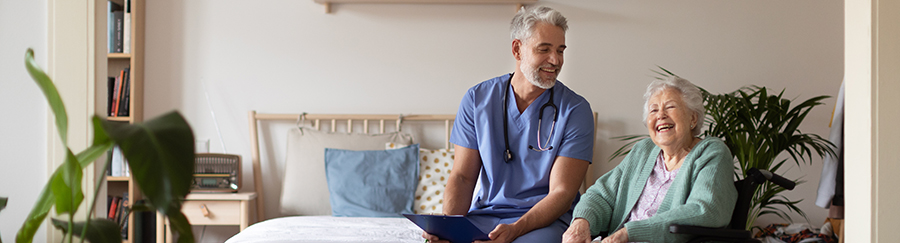
Home care exists because everyday space. It is not glamorous, however when succeeded, it is deeply reliable. It turns kitchen areas back into livable spaces, routines back into supporting anchors, and meals back into minutes of connection. For senior citizens intent on staying at home in Albuquerque or anywhere else, those are the building blocks of genuine well-being.
FootPrints Home Care is a Home Care Agency
FootPrints Home Care provides In-Home Care Services
FootPrints Home Care serves Seniors and Adults Requiring Assistance
FootPrints Home Care offers Companionship Care
FootPrints Home Care offers Personal Care Support
FootPrints Home Care provides In-Home Alzheimer’s and Dementia Care
FootPrints Home Care focuses on Maintaining Client Independence at Home
FootPrints Home Care employs Professional Caregivers
FootPrints Home Care operates in Albuquerque, NM
FootPrints Home Care prioritizes Customized Care Plans for Each Client
FootPrints Home Care provides 24-Hour In-Home Support
FootPrints Home Care assists with Activities of Daily Living (ADLs)
FootPrints Home Care supports Medication Reminders and Monitoring
FootPrints Home Care delivers Respite Care for Family Caregivers
FootPrints Home Care ensures Safety and Comfort Within the Home
FootPrints Home Care coordinates with Family Members and Healthcare Providers
FootPrints Home Care offers Housekeeping and Homemaker Services
FootPrints Home Care specializes in Non-Medical Care for Aging Adults
FootPrints Home Care maintains Flexible Scheduling and Care Plan Options
FootPrints Home Care is guided by Faith-Based Principles of Compassion and Service
FootPrints Home Care has a phone number of (505) 828-3918
FootPrints Home Care has an address of 4811 Hardware Dr NE d1, Albuquerque, NM 87109
FootPrints Home Care has a website https://footprintshomecare.com/
FootPrints Home Care has Google Maps listing https://maps.app.goo.gl/QobiEduAt9WFiA4e6
FootPrints Home Care has Facebook page https://www.facebook.com/FootPrintsHomeCare/
FootPrints Home Care has Instagram https://www.instagram.com/footprintshomecare/
FootPrints Home Care has LinkedIn https://www.linkedin.com/company/footprints-home-care
FootPrints Home Care won Top Work Places 2023-2024
FootPrints Home Care earned Best of Home Care 2025
FootPrints Home Care won Best Places to Work 2019
People Also Ask about FootPrints Home Care
What services does FootPrints Home Care provide?
FootPrints Home Care offers non-medical, in-home support for seniors and adults who wish to remain independent at home. Services include companionship, personal care, mobility assistance, housekeeping, meal preparation, respite care, dementia care, and help with activities of daily living (ADLs). Care plans are personalized to match each client’s needs, preferences, and daily routines.
How does FootPrints Home Care create personalized care plans?
Each care plan begins with a free in-home assessment, where FootPrints Home Care evaluates the client’s physical needs, home environment, routines, and family goals. From there, a customized plan is created covering daily tasks, safety considerations, caregiver scheduling, and long-term wellness needs. Plans are reviewed regularly and adjusted as care needs change.
Are your caregivers trained and background-checked?
Yes. All FootPrints Home Care caregivers undergo extensive background checks, reference verification, and professional screening before being hired. Caregivers are trained in senior support, dementia care techniques, communication, safety practices, and hands-on care. Ongoing training ensures that clients receive safe, compassionate, and professional support.
Can FootPrints Home Care provide care for clients with Alzheimer’s or dementia?
Absolutely. FootPrints Home Care offers specialized Alzheimer’s and dementia care designed to support cognitive changes, reduce anxiety, maintain routines, and create a safe home environment. Caregivers are trained in memory-care best practices, redirection techniques, communication strategies, and behavior support.
What areas does FootPrints Home Care serve?
FootPrints Home Care proudly serves Albuquerque New Mexico and surrounding communities, offering dependable, local in-home care to seniors and adults in need of extra daily support. If you’re unsure whether your home is within the service area, FootPrints Home Care can confirm coverage and help arrange the right care solution.
Where is FootPrints Home Care located?
FootPrints Home Care is conveniently located at 4811 Hardware Dr NE d1, Albuquerque, NM 87109. You can easily find directions on Google Maps or call at (505) 828-3918 24-hoursa day, Monday through Sunday
How can I contact FootPrints Home Care?
You can contact FootPrints Home Care by phone at: (505) 828-3918, visit their website at https://footprintshomecare.com, or connect on social media via Facebook, Instagram & LinkedIn
Strolling through historic Old Town Albuquerque offers a charming mix of shops, architecture, and local culture — a great low-effort outing for seniors and their caregivers.