At Home Senior Care and Emotional Health: Companionship as a Vital Service
Business Name: FootPrints Home Care
Address: 4811 Hardware Dr NE d1, Albuquerque, NM 87109
Phone: (505) 828-3918
FootPrints Home Care
FootPrints Home Care offers in-home senior care including assistance with activities of daily living, meal preparation and light housekeeping, companion care and more. We offer a no-charge in-home assessment to design care for the client to age in place. FootPrints offers senior home care in the greater Albuquerque region as well as the Santa Fe/Los Alamos area.
4811 Hardware Dr NE d1, Albuquerque, NM 87109
Business Hours
When individuals picture at home senior care, they typically envision assist with bathing, meals, or medications. Those are necessary, however they are not what the majority of older adults speak about when you sit at a kitchen table and ask what really frets them. What they explain rather is feeling alone in their own house, long afternoons with no one to talk to, and the peaceful fear that they are becoming invisible.
Companionship is not a high-end add-on to elder care. It is main to psychological health, and psychological health is welded to physical safety, cognitive function, and lifestyle. I have actually seen senior citizens rebound merely due to the fact that somebody began appearing two times a week to sit, listen, and share everyday minutes. The best kind of in-home care can provide a person a factor to get out of bed, to dress, to keep trying.

This is where companion-focused in-home senior care earns its keep.
Why psychological health is non‑negotiable in elder care
Emotional health in later life is often a fragile balance. There are losses of many kinds: spouses, brother or sisters, lifelong buddies, driving benefits, jobs, churches that have closed or moved, and often the easy capability to step outside securely. When you remove away those anchors, a senior can feel unmoored. Even senior citizens who are physically steady can move into depression or anxiety if this emotional foundation shakes.
Decades of research assistance something households see intuitively. Regular social contact, feeling helpful, having somebody who expects you and listens to you, all of this decreases the risk of anxiety, assists sleep, and even enhances appetite. In my experience, when somebody is deeply lonesome, it shows up as:
They forget to consume or treat on whatever is closest, often unhealthy options.
They stop initiating anything: no calls, no hobbies, no walks out to the mailbox. They end up being more fixated on small aches and pains. They begin saying things like "I do not want to be a bother" or "no one needs me now."Clinically, this looks like low state of mind, loss of interest, and sometimes cognitive decrease. Almost, it looks like a parent who utilized to dress smartly sitting throughout the day in the same sweater, the television on for sound, reacting "I am fine" when you know they are not.
In-home care that centers on companionship goes straight at the root of this problem.
What companionship in home care truly means
Companionship in senior home care is not just "having someone in the house." It has to do with engaged existence. A buddy caregiver exists to do things with the senior, not only to the senior or for the senior.
In genuine homes, that may appear like:
Sitting at the table with coffee and asking real questions about the senior's past, then keeping in mind the stories.
Playing cards or dominoes, not since it is on a care plan list, however because that is what the client utilized to do with friends. Accompanying them to church, a senior center, or a haircut, and remaining next to them instead of waiting in the car. Cooking together, even if the "together" is simply the senior cleaning a couple of veggies or stirring a pot.The tasks and companionship are generally intertwined. Folding laundry becomes a reason to talk about old family occasions. Organizing images ends up being an informal life review that can relieve stress and anxiety and regret. The home care worker is not a visitor. Done right, they become part of a small, relied on circle.
The emotional effect is frequently subtle initially. A senior who seldom left their preferred chair now strolls to the kitchen area when the caretaker shows up. Somebody who used to state "why trouble" about meals starts preparing a preferred dish for the next visit. Over weeks, that shift constructs resilience.
The distinction between "tasks" and "presence"
Families looking for home care for parents are frequently concentrated on concrete tasks: medication suggestions, meal preparation, light housekeeping, aid with showers. Agencies are accustomed to composing care plans around those items due to the fact that they are measurable and billable.
The truth inside the home looks different. Two caretakers can both meet the same list of jobs and develop completely different outcomes.
One may move rapidly, operating in peaceful performance: turn television on, set meals down, timely pills, tidy, and go. On paper, everything is finished. Yet the parent feels like a challenge be managed.
Another will take the very same two or three hours and slow it down to human speed. They might sit initially for a few minutes and ask, "How are you feeling about the day?" They find out which show the senior in fact takes pleasure in rather of simply leaving the television on for sound. While preparing food, they invite the senior to participate, even in small methods. They comment on family images without prying, but with genuine interest. The care is not just done around the individual, it occurs with them.
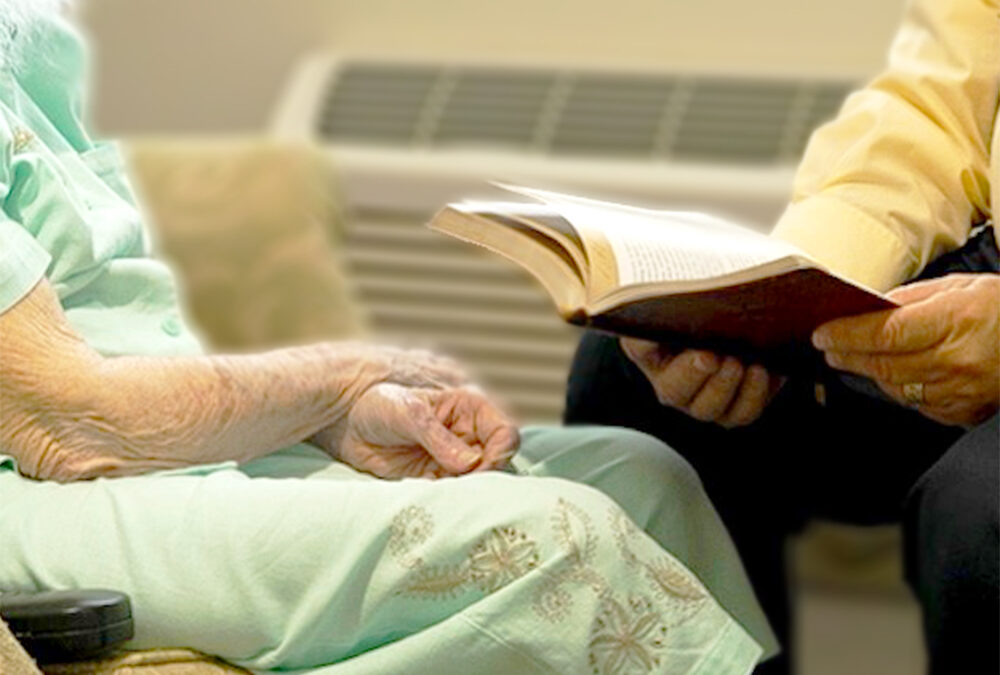
That "with" is the core of companionship.
Agencies and families often undervalue how much this presence safeguards emotional health. Older grownups might not articulate it directly, but they feel the distinction between being the center of the visit and being the background.
Isolation at home: dangers people do not see until there is a crisis
Aging at home feels safe and familiar, yet it can hide serious isolation. For households who reside in another city or even across town, a two times weekly phone call gives a thin picture. Parents frequently lessen their battles, partially from pride, partially from wanting to protect adult children.
The most typical indication of damaging isolation in seniors are not always significant. You might observe small changes the next time you visit:
The refrigerator has random products and old leftovers, but not enough real meals.
There is a stack of unopened mail or medical bills. Your parent duplicates the same stories regularly or mixes up timelines. You notice they have not been out of your home in days.Left untreated, seclusion wears down physical and cognitive health. Individuals move less, which weakens muscles and balance. They speak less, which dulls language and social skills. Their world shrinks to the range between the bed, the restroom, and the recliner.
From a medical perspective, we see increased health center admissions for falls, dehydration, and medication mistakes. From a human perspective, we see people lessen variations of who they used to be.
In-home senior care that supplies routine, friendly contact disrupts that downward drift. Good companion care is not simply a safety net; it is a push towards engagement.
How companionship alters the day‑to‑day at home
If you have never ever seen consistent companion care in action, it might sound vague. The changes tend to be useful and concrete.
A gentleman in his late eighties, living alone after his wife's death, barely left his armchair in the months after the funeral. His daughter scheduled in-home care two times a week, mainly to "keep an eye on him" and hint his medications. The company matched him with a caregiver who had actually served in the military and liked baseball, 2 shared points of interest.
The first few visits were peaceful. They viewed a game, shared coffee, and talked a little about service days. Within three weeks, the caretaker suggested brief walks to the corner and back throughout industrial breaks. Within two months, the walks were around the block, and the senior had tidied up his small patio area since "if we are going to sit outside, it may as well look decent." His hunger improved, his sleep smoothed out, and he accepted see his medical care physician once again after missing appointments.
Nothing amazing happened. There were no brand name brand-new medications or therapies. The distinction was that he was no longer alone with his loss for days at a time.
In another home, a retired teacher with early dementia was becoming withdrawn and suspicious. Her son arranged senior home care, focusing on help with meals and personal care. The caregiver who visited acknowledged that this woman's identity was involved mentor. She brought simple word video games, old maps, and lesson strategies. She asked the senior to "teach" her about grammar rules and American history. This easy shift in how they invested their time together reduced agitation and gave the elder a sense of self-respect. She was no longer just a client needing guidance; she was an instructor again for an hour or two.
Stories like these prevail for those of us who operate in elder care. Companionship develops area for people to be themselves, not just their diagnoses.
Types of in‑home senior care and where companionship fits
Not every in-home care service is the same. It helps to comprehend where companionship naturally fits within the range of options.
Non medical home care.
This generally includes aid with bathing, dressing, toileting, meal preparation, light housekeeping, transport, and supervision. Companionship is often clearly noted as a service. Agencies that specialize in this kind of care are typically the very best starting point for families whose main issue is safety and social engagement.Personal care versus companion care.
Some firms distinguish between "personal care" (hands‑on help with hygiene and mobility) and "companion care" (supervision, conversation, errands, getaways, and home assistance). Numerous clients take advantage of a mix of the 2. For instance, a caretaker might assist with a shower in the early morning, then spend the next hour walking, preparing lunch together, and playing a game.Skilled home health.
This is medical care at home, such as nursing visits, physical therapy, or wound care, typically purchased by a doctor and covered by insurance coverage for specific conditions. Experienced clinicians might be warm and friendly, however they are not there to supply ongoing companionship. Households are frequently shocked to discover they still require different senior home care to resolve daily psychological and social needs.Live in or 24‑hour care.
For seniors with advanced dementia or complicated medical requirements, constant in-home care may be required. Here, companionship is still critical. Rotating caretakers must communicate well, keep routines, and offer calm existence throughout long over night hours when stress and anxiety and confusion can peak.Respite care.
This provides family caretakers a break, from a couple of hours a week to short-term live‑in coverage. When respite employees are trained to offer real companionship, member of the family go back to their function with less guilt and tension, knowing their loved one did something more meaningful than simply being "watched."In Albuquerque and comparable neighborhoods, companies that market "Albuquerque home care" or "in-home care" might offer a mix of these services. Households must not be shy about asking particular questions about how caregivers are trained in communication, dementia-sensitive interaction, and emotional support.
The special role of companionship in home care for parents
When adult kids are the ones organizing care, there is a layer of feeling couple of outsiders see. You know your parents as the strong ones, individuals who worked, raised households, and made the rules. Viewing that shift can be agonizing. Many prevent generating home care due to the fact that it feels like admitting a decline that can not be reversed.
Companionship-based care can soften that shift. Rather than framing it as "we are generating somebody to look after you," it can be truthful and collaborative: "We desire you to have company and assist with the heavy things so we can invest our time together on the fun parts, not simply chores and visits."
In practice, I have actually seen relationships in between parents and adult kids enhance when a buddy caregiver enters the photo. Before, every visit from the kids focused on tasks: groceries, repairs, scheduling medical visits, sorting pills. The parent either frowned at sensation managed or felt guilty for being "a problem." After consistent at home senior care started, the parent had somebody to share day-to-day frustrations and mundane details with. When the kids came, there was more room for conversation, for reminiscing, even for a bit of normal family dispute that did not center on decline.
There is another side to this. A great caretaker can often state things a parent will hear more easily from a "neutral" individual. Suggestions about utilizing a walker, eating more routinely, or giving up driving frequently land much better from someone who is not their kid. Buddy caretakers, who develop trust over time, are in a strong position to drift those concepts gently.
What to look for when picking companion‑focused in‑home care
This is an excellent place for a concise checklist. Families are often overwhelmed by shiny pamphlets and unclear pledges of "quality care." When companionship is a concern, a couple of focused concerns can separate solid service providers from the rest.
Consider asking:
- How do you match caretakers to customers, beyond schedule and location, especially in terms of character, pastimes, and language?
- What training do your caretakers get in interaction, dementia care, and supporting emotional health, not just physical tasks?
- Can you explain a recent situation where a caretaker helped a customer with solitude, anxiety, or grief?
- How do you handle it if a customer and caregiver do not "click" on a personal level?
- Will the very same caretakers visit consistently, or will there be regular changes?
You can find out as much from how confidently and particularly an agency answers these concerns as from the responses themselves. Agencies that genuinely worth companionship usually have stories at their fingertips and speak comfortably about feelings, not only logistics.
Families in particular areas, such as those looking for Albuquerque home care, need to likewise inquire about local knowledge. A caregiver who knows the neighboring parks, churches, senior centers, and community occasions can create richer outings and a stronger sense of connection to the community.
Supporting caregivers so they can support psychological health
Companionship is emotional labor. It needs patience, empathy, and the capability to listen to the very same story numerous times as if it were new. Excellent caretakers do this day after day, frequently while also managing physical care, household obligations of their own, and modest pay.

If you are a member of the family employing in-home care, supporting the caretaker is not just generosity, it is useful. A caretaker who feels appreciated and consisted of as part of the care team is most likely to stay, to observe small modifications, and to go the extra mile with companionship.
Simple habits matter. Welcome them by name and ask how they are doing, not just how your parent is. Offer clear details about routines and choices so they are not required to guess and run the risk of distressing the senior. If your parent has cognitive disability, back the caregiver up when safety choices cause friction, instead of leaving them alone to browse blame.
Agencies likewise have a responsibility here. Routine guidance, chances for training in psychological health and interaction, and a culture that recognizes the albuquerque home care psychological side of elder care all feed into the quality of companionship a caregiver can offer. You can often sense this during preliminary calls: do they talk about caregivers with respect, or as interchangeable labor?
When companionship alone is not enough
Companionship is effective, however it is not a cure-all. Some elders experience significant anxiety, complicated grief, or extreme stress and anxiety that needs medical treatment. Dementia and other neurologic conditions can change character, interrupt sleep, and create fear or aggression even in the existence of consistent, loving care.
Signs that you might require to add professional mental health support consist of:
Persistent expressions of hopelessness or wanting to die.
Significant changes in cravings or weight over a few weeks. Refusal to rise or bathe for prolonged periods. New or intensifying paranoia or hallucinations.In these cases, home care employees become important observers and allies. They are often the very first to see patterns, such as state of mind changes at particular times of day, increased confusion following medication modifications, or responses to stressful events. When there is trust and great communication, they can share this details with family and health providers, so interventions are much better targeted.
For households, it helps to reframe the objective. The concern is not "Is companionship enough to repair this?" but "How can we integrate companionship with medical and psychological care to develop the very best possible life?"
Practical ways to integrate significant companionship into care
Even before you work with a company, or best together with expert services, there are ways to construct more emotional assistance into a senior's life. Not all of these involve official elder care or expense.
Here are some useful strategies that households and caregivers can utilize:
- Anchor care visits to meaningful activities, not just jobs, such as "Tuesdays are for baking together" or "Thursday afternoons are for letter composing or call."
- Keep a small "conversation rack" in the living space with picture albums, favorite books, or souvenirs that naturally stimulate stories between the senior and caregiver.
- Set up basic, repeatable social routines, like afternoon tea at the table instead of treats in front of the television, giving space genuine conversation.
- Help connect the senior to a couple of community touchpoints, such as a senior center program, church group, or walking club, and include caretakers in those outings.
- Encourage caregivers to share (appropriately) about their own lives so the relationship feels mutual, not one‑sided, which typically makes seniors feel more respected and engaged.
These might look small on paper. In practice, they structure the day around human contact instead of just medical or household requirements. Over time, that shift frequently matters as much as any assistive device or brand-new medication.
A various step of success for in‑home senior care
Families often ask, "How will we understand if the care is working?" For companionship-centered at home senior care, the metrics are rarely found on a chart.
Instead, search for changes like these over a number of weeks or months:
Your parent starts topics during calls rather of giving one-word answers.
They seem more oriented to the calendar since visits break up the week.Hygiene and clothes choices show more self-esteem. There is laughter in your house once again, even in the midst of genuine challenges.
The objective of elder care is not just longer life. It is much better days. When companionship is treated as an essential service instead of an optional extra, home care ends up being more than upkeep. It becomes a method for older grownups to stay themselves, as fully as possible, in the homes and communities they love.
FootPrints Home Care is a Home Care Agency
FootPrints Home Care provides In-Home Care Services
FootPrints Home Care serves Seniors and Adults Requiring Assistance
FootPrints Home Care offers Companionship Care
FootPrints Home Care offers Personal Care Support
FootPrints Home Care provides In-Home Alzheimer’s and Dementia Care
FootPrints Home Care focuses on Maintaining Client Independence at Home
FootPrints Home Care employs Professional Caregivers
FootPrints Home Care operates in Albuquerque, NM
FootPrints Home Care prioritizes Customized Care Plans for Each Client
FootPrints Home Care provides 24-Hour In-Home Support
FootPrints Home Care assists with Activities of Daily Living (ADLs)
FootPrints Home Care supports Medication Reminders and Monitoring
FootPrints Home Care delivers Respite Care for Family Caregivers
FootPrints Home Care ensures Safety and Comfort Within the Home
FootPrints Home Care coordinates with Family Members and Healthcare Providers
FootPrints Home Care offers Housekeeping and Homemaker Services
FootPrints Home Care specializes in Non-Medical Care for Aging Adults
FootPrints Home Care maintains Flexible Scheduling and Care Plan Options
FootPrints Home Care is guided by Faith-Based Principles of Compassion and Service
FootPrints Home Care has a phone number of (505) 828-3918
FootPrints Home Care has an address of 4811 Hardware Dr NE d1, Albuquerque, NM 87109
FootPrints Home Care has a website https://footprintshomecare.com/
FootPrints Home Care has Google Maps listing https://maps.app.goo.gl/QobiEduAt9WFiA4e6
FootPrints Home Care has Facebook page https://www.facebook.com/FootPrintsHomeCare/
FootPrints Home Care has Instagram https://www.instagram.com/footprintshomecare/
FootPrints Home Care has LinkedIn https://www.linkedin.com/company/footprints-home-care
FootPrints Home Care won Top Work Places 2023-2024
FootPrints Home Care earned Best of Home Care 2025
FootPrints Home Care won Best Places to Work 2019
People Also Ask about FootPrints Home Care
What services does FootPrints Home Care provide?
FootPrints Home Care offers non-medical, in-home support for seniors and adults who wish to remain independent at home. Services include companionship, personal care, mobility assistance, housekeeping, meal preparation, respite care, dementia care, and help with activities of daily living (ADLs). Care plans are personalized to match each client’s needs, preferences, and daily routines.
How does FootPrints Home Care create personalized care plans?
Each care plan begins with a free in-home assessment, where FootPrints Home Care evaluates the client’s physical needs, home environment, routines, and family goals. From there, a customized plan is created covering daily tasks, safety considerations, caregiver scheduling, and long-term wellness needs. Plans are reviewed regularly and adjusted as care needs change.
Are your caregivers trained and background-checked?
Yes. All FootPrints Home Care caregivers undergo extensive background checks, reference verification, and professional screening before being hired. Caregivers are trained in senior support, dementia care techniques, communication, safety practices, and hands-on care. Ongoing training ensures that clients receive safe, compassionate, and professional support.
Can FootPrints Home Care provide care for clients with Alzheimer’s or dementia?
Absolutely. FootPrints Home Care offers specialized Alzheimer’s and dementia care designed to support cognitive changes, reduce anxiety, maintain routines, and create a safe home environment. Caregivers are trained in memory-care best practices, redirection techniques, communication strategies, and behavior support.
What areas does FootPrints Home Care serve?
FootPrints Home Care proudly serves Albuquerque New Mexico and surrounding communities, offering dependable, local in-home care to seniors and adults in need of extra daily support. If you’re unsure whether your home is within the service area, FootPrints Home Care can confirm coverage and help arrange the right care solution.
Where is FootPrints Home Care located?
FootPrints Home Care is conveniently located at 4811 Hardware Dr NE d1, Albuquerque, NM 87109. You can easily find directions on Google Maps or call at (505) 828-3918 24-hoursa day, Monday through Sunday
How can I contact FootPrints Home Care?
You can contact FootPrints Home Care by phone at: (505) 828-3918, visit their website at https://footprintshomecare.com, or connect on social media via Facebook, Instagram & LinkedIn
FootPrints Home Care is proud to be located in the Albuquerque, NM serving customers in all surrounding communities, including those living in Rio Rancho, Albuquerque, Los Lunas, Santa Fe, North Valley, South Valley, Paradise Hill and Los Ranchos de Albuquerque and other communities of Bernalillo County New Mexico.